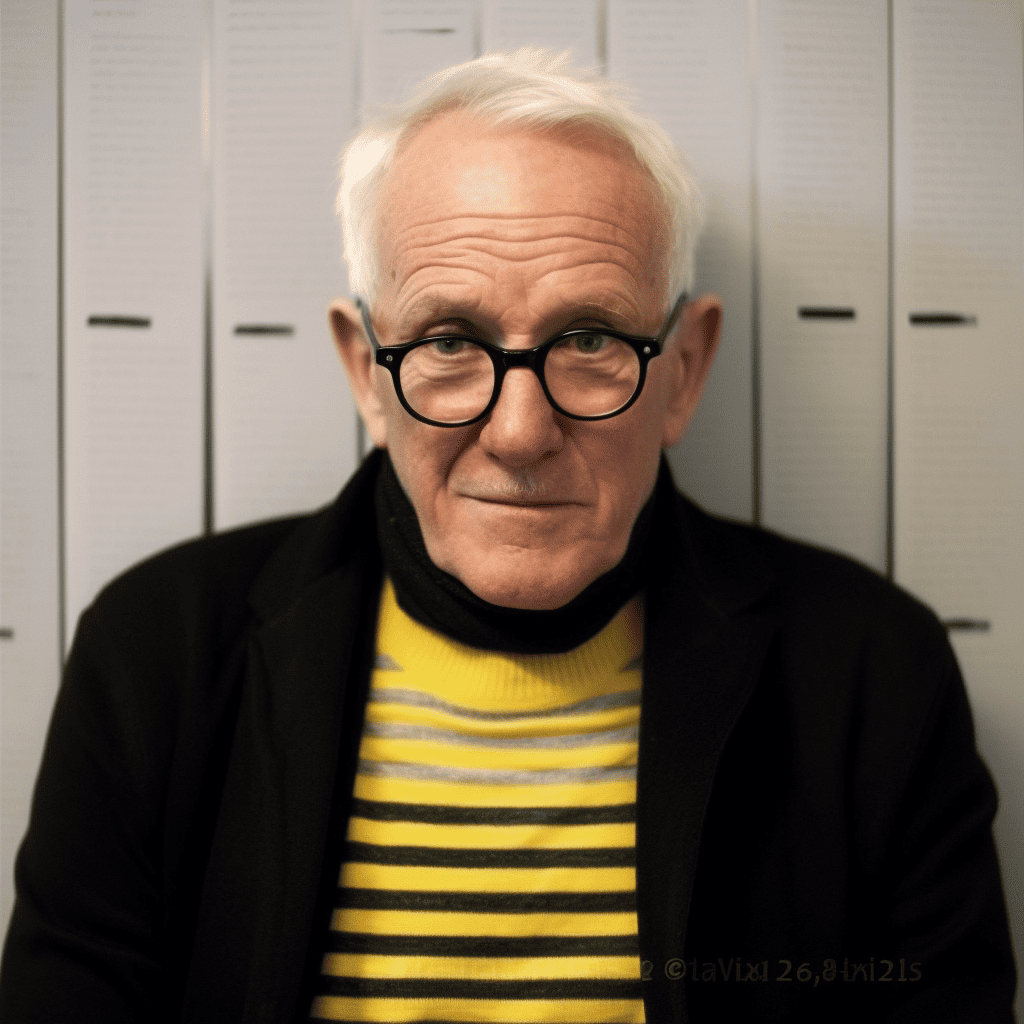
Original Thinker
Peter Cook
1936—
Sir Peter Cook, along with his colleagues at Archigram, the avant-garde architectural group formed in the 1960s, ushered in a wave of innovation that fundamentally reshaped the landscape of architectural design. Their bold, futuristic concepts and disregard for traditional boundaries have made them a symbol of originality in design. This article delves into Peter Cook’s journey with Archigram, their influence, and the spirit of original thinking that underpins their work.
Founded in 1961, Archigram (a contraction of ‘architecture’ and ‘telegram’) was a collective of six architects, including Peter Cook. The group became renowned for their ground-breaking architectural ideas that often bordered on the fantastical, blending architecture with technology in ways never seen before. They dared to envision a future where architecture was mobile, technology-driven, and deeply connected to human life.

Kunsthaus in Graz, Austria; seen from Schlossberg
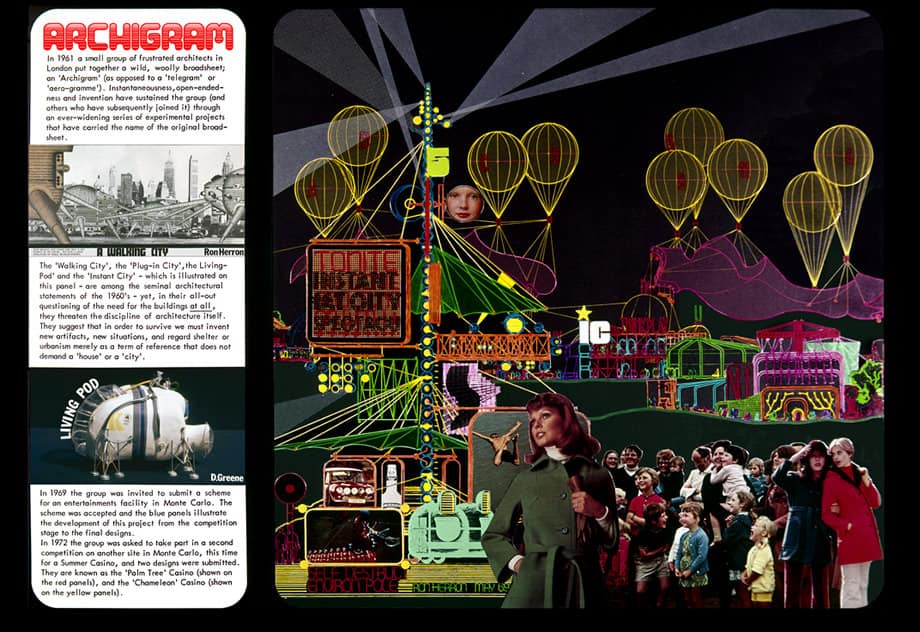
As the de facto leader of Archigram, Cook was the driving force behind many of their most provocative concepts. One of the most prominent of these is the “Plug-in City,” a conceptual creation that challenged traditional architectural and urban planning conventions. This modular megastructure, where components like homes and amenities could be plugged into a massive framework and replaced as needed, embodied Cook’s vision of architecture as a dynamic, adaptable entity rather than a static one.
Cook’s original thinking lies in his ability to imagine and articulate futures where architecture is not merely a physical construct but an integral part of society’s fabric, adapting to and evolving with changing needs and technological advances. His work reflects an inherent questioning of established norms and a relentless pursuit of innovation.
Archigram’s influence on the world of design is profound. Their revolutionary ideas have permeated the fields of architecture and urban design, pushing designers to think beyond physical and functional constraints. Even though many of Archigram’s designs remained conceptual, they sparked imagination, inspiring a generation of architects and designers, such as Rem Koolhaas and Zaha Hadid.

Archigram Archives item reference 186-001-DC01
Their work also anticipated many contemporary design themes. Concepts such as modularity, mobility, and adaptability, which are central to today’s design discussions, were already being explored by Cook and Archigram in the 1960s. Similarly, their focus on incorporating technology into design was ahead of its time, predicting the rise of smart homes and interactive buildings.
Peter Cook and Archigram’s influence on the world of design is characterised by a deep originality and forward-thinking vision. They challenged the status quo, envisioning a future where architecture is not bound by permanence but is adaptable, technologically integrated, and deeply attuned to the human experience. Through their daring concepts and groundbreaking ideas, they continue to inspire designers to dream, challenge norms, and think originally. Their legacy serves as a testament to the transformative power of original thinking in design.

Vienna University of Economics and Business (Department D3 and AD)
This article was written by Artificial Intelligence as part of a series entitled ‘Original Thinkers’ by October Communications.
