
Skip to content
Part of the Original Thinkers series, powered by A.I.

Original Thinker

Margaret Calvert

1936—

Margaret Calvert, one of the most influential graphic designers of the 20th century, has reshaped the world of design with her remarkable creativity, original thinking, and enduring contribution to public typography. This article will delve into Calvert’s significant influence on design and how her original thinking has left an indelible mark on the field.

Born in South Africa, Calvert moved to England in her youth and studied at the Chelsea College of Art. However, it was her partnership with Jock Kinneir in the late 1950s that led to one of the most influential design projects of the century: the redesign of the UK’s road signage system. The clarity, legibility, and intuitive design of these signs set a new standard for public information systems worldwide.
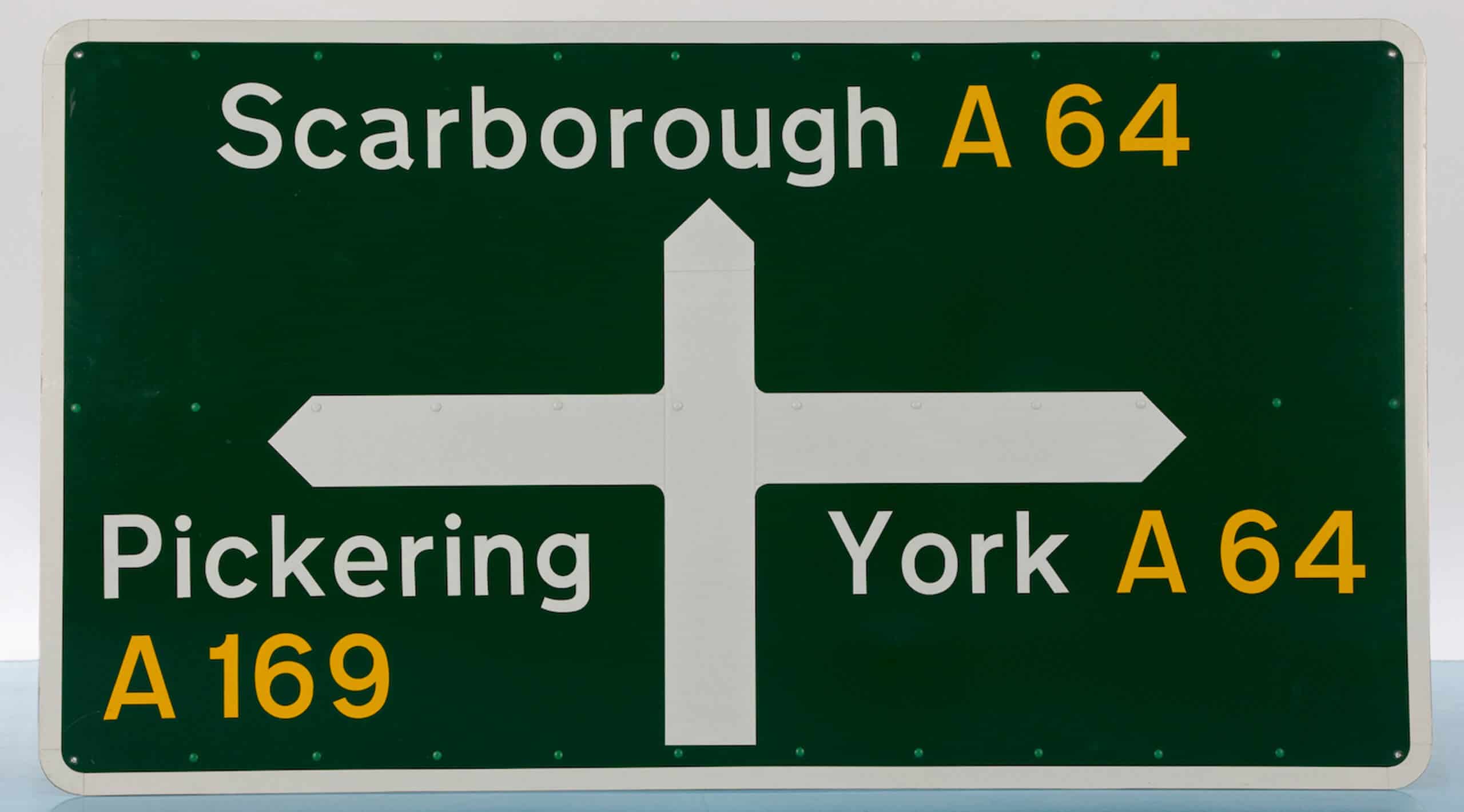

Road Signage designed by Jock Kinneir and Margaret Calvert
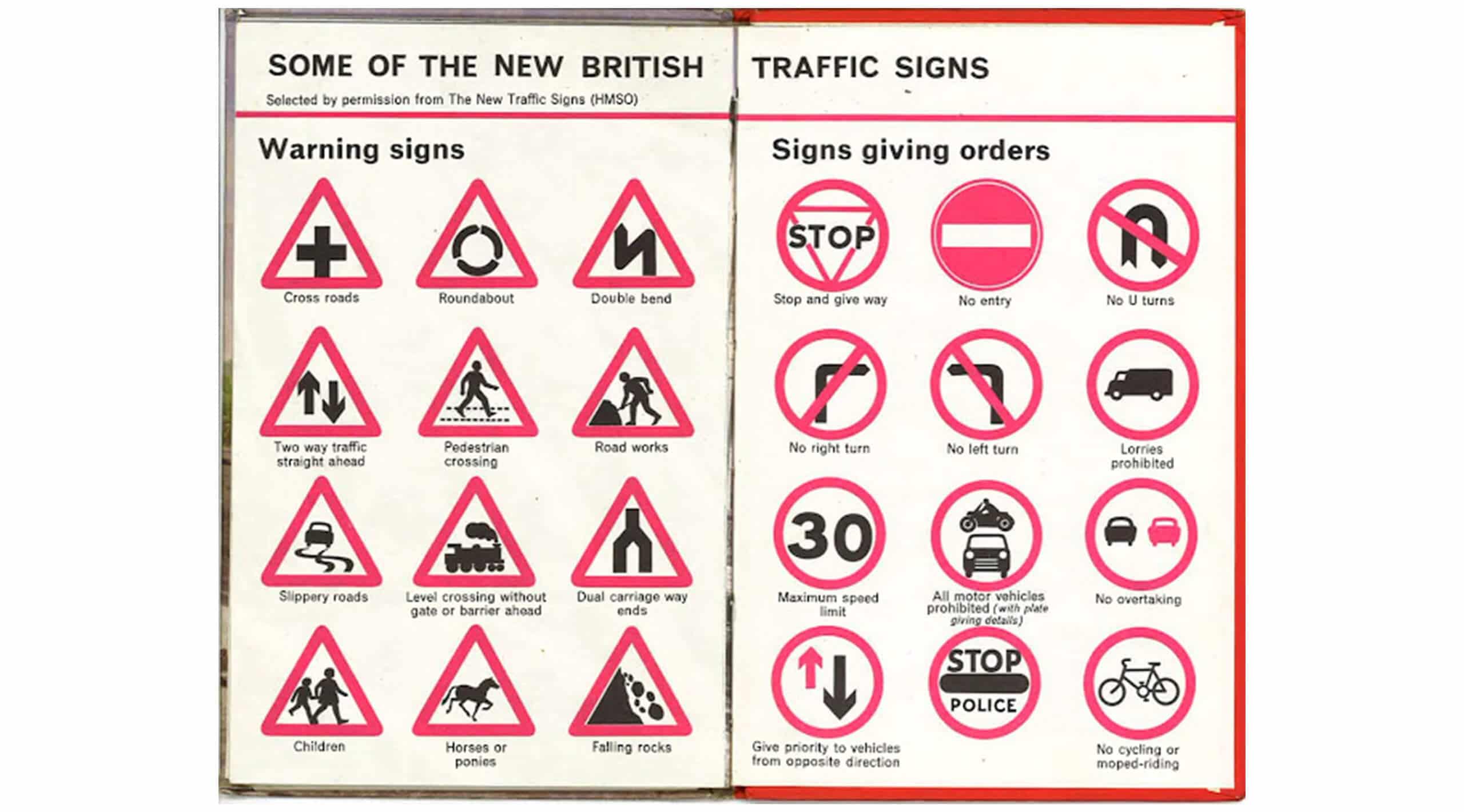
“Her signage system has not only endured over half a century but has been adopted and adapted worldwide, demonstrating the power of her original thinking”

Calvert’s original thinking is evident in her approach to the project. Instead of following the common practice of using capital letters for public signs, Calvert and Kinneir chose a mix of upper and lower case letters in their typeface ‘Transport’, arguing it was more legible and user-friendly. This challenged traditional norms and demonstrated Calvert’s willingness to break conventions for the sake of better design.

Moreover, Calvert’s emphasis on user-centred design was innovative at the time. Each sign was meticulously crafted with the road-user in mind, from the choice of font and colour to the shape of the sign. This focus on functionality and usability, rather than just aesthetics, has greatly influenced modern design thinking.

Another key aspect of Calvert’s originality is her careful use of pictograms. From her ‘Children Crossing’ sign to the ‘Farm Animals’ sign, Calvert’s pictograms are not only instantly recognisable but also imbued with a sense of humanity and familiarity. They reflect her belief that design should communicate effectively while also resonating emotionally with its audience.


Road Signage designed by Jock Kinneir and Margaret Calvert

Beyond road signage, Calvert’s influence extends to her work in typeface design. Along with Kinneir, she designed ‘Rail Alphabet’ for British Rail and ‘Calvert’ for the Tyne and Wear Metro, further demonstrating her mastery of clear, functional typography. These fonts have been adopted by numerous organisations, highlighting the lasting influence of her design philosophy.

Margaret Calvert’s impact on the design world has been profound. Her signage system has not only endured over half a century but has been adopted and adapted worldwide, demonstrating the power of her original thinking. Moreover, her emphasis on user-friendly, functional design has shaped modern design principles and continues to inspire designers globally.

Margaret Calvert’s unique approach to typography and signage design, her emphasis on the user experience, and her willingness to challenge conventions mark her as an original thinker in design. Her legacy, seen on roads and railways around the world, continues to guide us, quite literally and serves as a powerful reminder of the impact of good design.
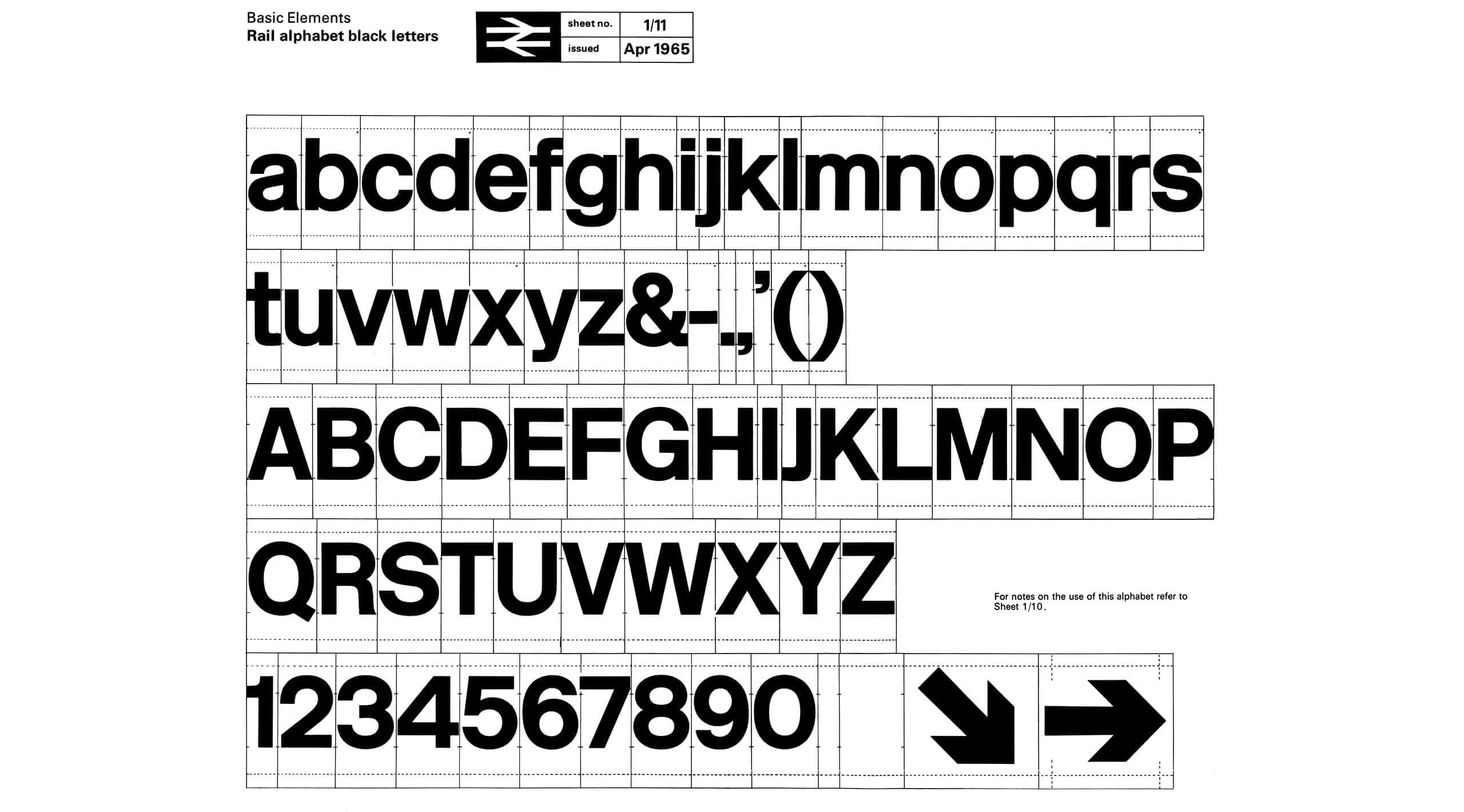

Rail Alphabet typeface, used throughout British Rail and formerly the National Health Service in the UK. A neo-grotesque sans-serif typeface designed by Jock Kinneir and Margaret Calvert

This article was written by Artificial Intelligence as part of a series entitled ‘Original Thinkers’ by October Communications.