Skip to content
Part of the Original Thinkers series, powered by A.I.

Original Thinker

Lucienne Day

1917—2010

Lucienne Day, a pioneering British textile designer of the post-war era, has left an indelible mark on the world of design. Her innovative patterns, fresh aesthetics, and unique approach to design have transformed the field of textiles, earning her recognition as an original thinker. This article explores the life, work, and influence of Lucienne Day, focusing on her unique contributions to design.

Born in 1917, Lucienne Day embarked on her design journey at the Royal College of Art in London, where she studied textile design. However, it was her groundbreaking pattern ‘Calyx’, unveiled at the Festival of Britain in 1951, that catapulted her into the limelight. The pattern was revolutionary for its abstract nature and vibrant colours, a stark departure from traditional floral designs dominant in the textile industry at the time.
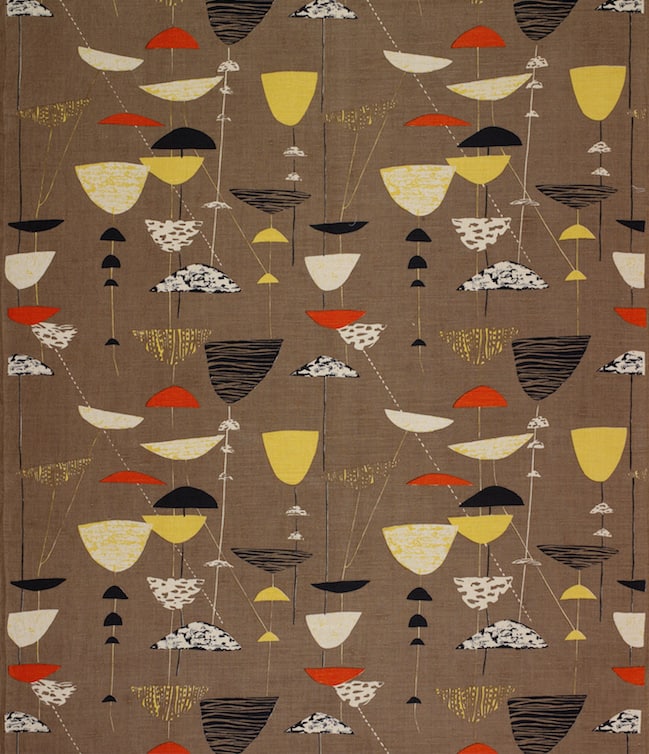

Calyx screen-printed furnishing fabric, Lucienne Day, Heal’s Wholesale & Export, 1951
“She was a staunch advocate of ‘democratic design’ — the idea that good design should be accessible to all, not just a privileged few”

Day’s original thinking was rooted in her ability to draw inspiration from a range of sources. From modern art to nature’s forms, her unique interpretations led to the creation of abstract and geometric designs that were entirely original and yet resonated with the public. Her aesthetic broke away from the traditional, paving the way for modern textile design.

Lucienne Day’s influence extends beyond her unique patterns. She was a staunch advocate of ‘democratic design’ — the idea that good design should be accessible to all, not just a privileged few. This philosophy manifested in her work for companies such as Heal’s, where she designed mass-produced textiles that were affordable yet aesthetically pleasing, making good design accessible to the post-war British public.

Her design ethos has also significantly influenced interior design. Day believed that textiles should not merely be decorative but transformative, capable of altering the feel and ambiance of a space. This approach has since become a fundamental principle in interior design, with textiles recognised as a powerful tool in creating and enhancing interiors.


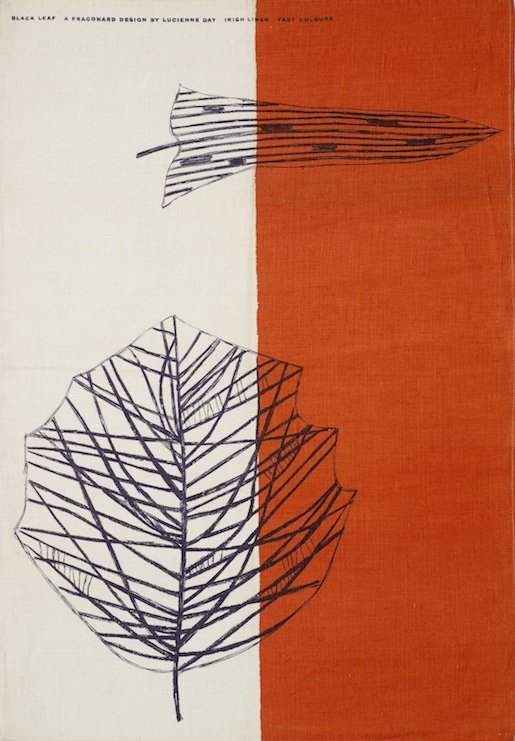
Black Leaf tea towel, Lucienne Day, Thomas Somerset & Co, 1959

Lucienne Day’s role as a female trailblazer in a predominantly male industry also cannot be overlooked. She carved a space for herself in the design world, opening doors for future generations of female designers. Her success serves as a testament to the influential role of women in design.

Lucienne Day’s contributions to design epitomise original thinking. Her groundbreaking patterns, approach to democratic design, and belief in the transformative power of textiles have significantly influenced the field. Moreover, her journey as a female designer in a male-dominated industry adds another layer of originality to her story, marking her as a trailblazer. Through her enduring influence, Lucienne Day serves as a powerful reminder of the profound impact that original thinking can have on the world of design.
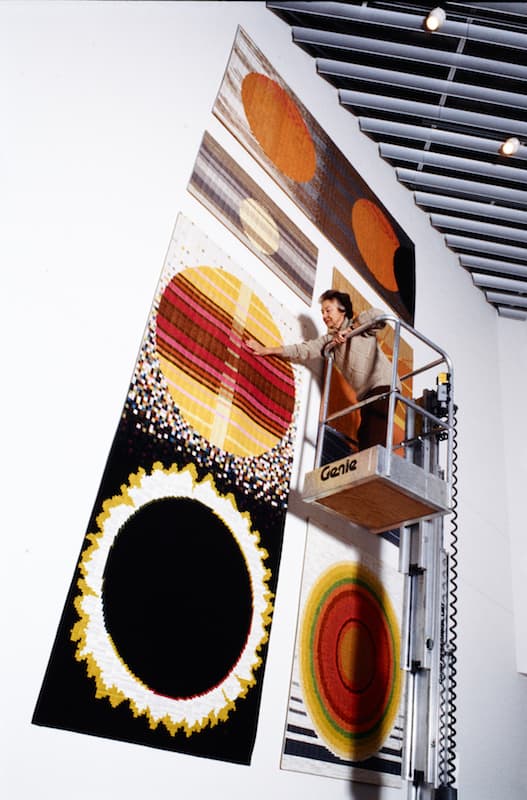

Aspects of the Sun silk mosaic, Lucienne Day, 1990

This article was written by Artificial Intelligence as part of a series entitled ‘Original Thinkers’ by October Communications.