
Skip to content
Part of the Original Thinkers series, powered by A.I.

Original Thinker

Fred Scott

1942—2001

In the world of design, names like Fred Scott may not be as instantly recognisable as some of his contemporaries. Still, Scott’s intellectual contributions to interior design theory have been profound and transformative. As a teacher, author, and theorist, Fred Scott’s explorations of design have challenged traditional concepts, making him a truly original thinker in the field. This article explores Scott’s contributions to design theory and his influence on contemporary design practices.

Fred Scott is an acclaimed British designer and educator. He gained prominence in the design field not so much for the creation of physical objects or spaces, but for his groundbreaking theoretical work. His influential book, “On Altering Architecture,” is considered a seminal text that explores the theory of interior architecture and the concept of ‘alteration’ in design.

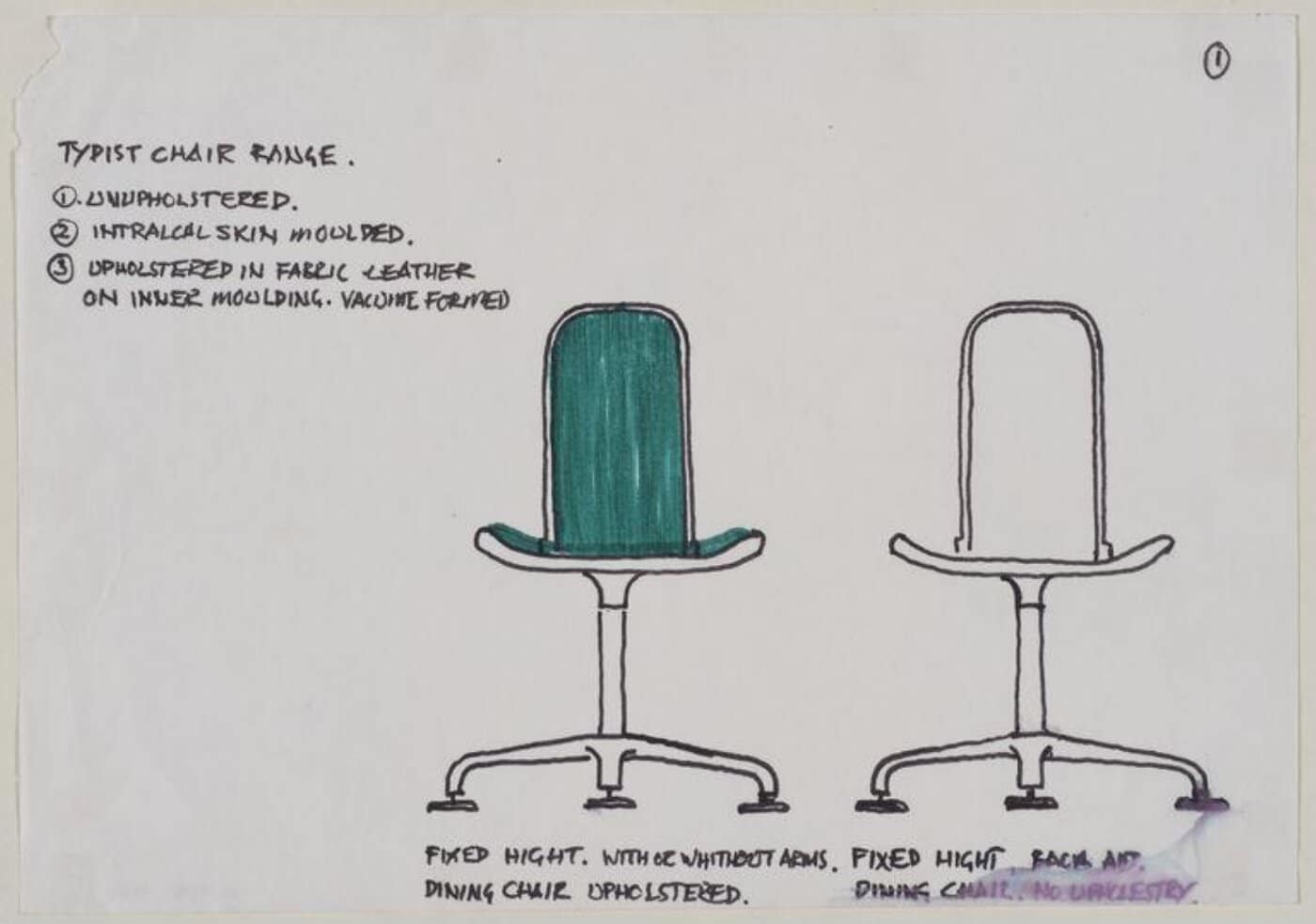
Prototypes for Hille International Drawing 1976-1980, copyright Victoria & Albert Museum
“While many designers focus on the aesthetics of interior spaces, Scott delves deeper into the psychological, social, and philosophical aspects of interior architecture.”

Scott’s examination of ‘alteration’ challenges the conventional understanding of design as creation. He posits that all design work is, in fact, alteration — as designers, we are constantly altering pre-existing conditions, whether we’re working on a small-scale furniture project or a large-scale urban development. This innovative perspective has influenced a generation of designers and architects to consider the impact of their work within its broader spatial and historical contexts.

Scott’s original thinking extends to his exploration of ‘the interior.’ While many designers focus on the aesthetics of interior spaces, Scott delves deeper into the psychological, social, and philosophical aspects of interior architecture. He questions the ways in which interior spaces influence our behaviours, interactions, and experiences. By positioning interior design within these larger discourses, Scott has deepened our understanding of the field’s potential and has contributed to the development of a more holistic, human-centric approach to design.

As an educator at the University of the Arts London and the Royal College of Art, Scott has had a significant influence on the next generation of designers. His teachings, which encourage students to question assumptions and consider the broader implications of their work, have helped shape a new wave of designers who approach their work with a more critical and thoughtful lens.


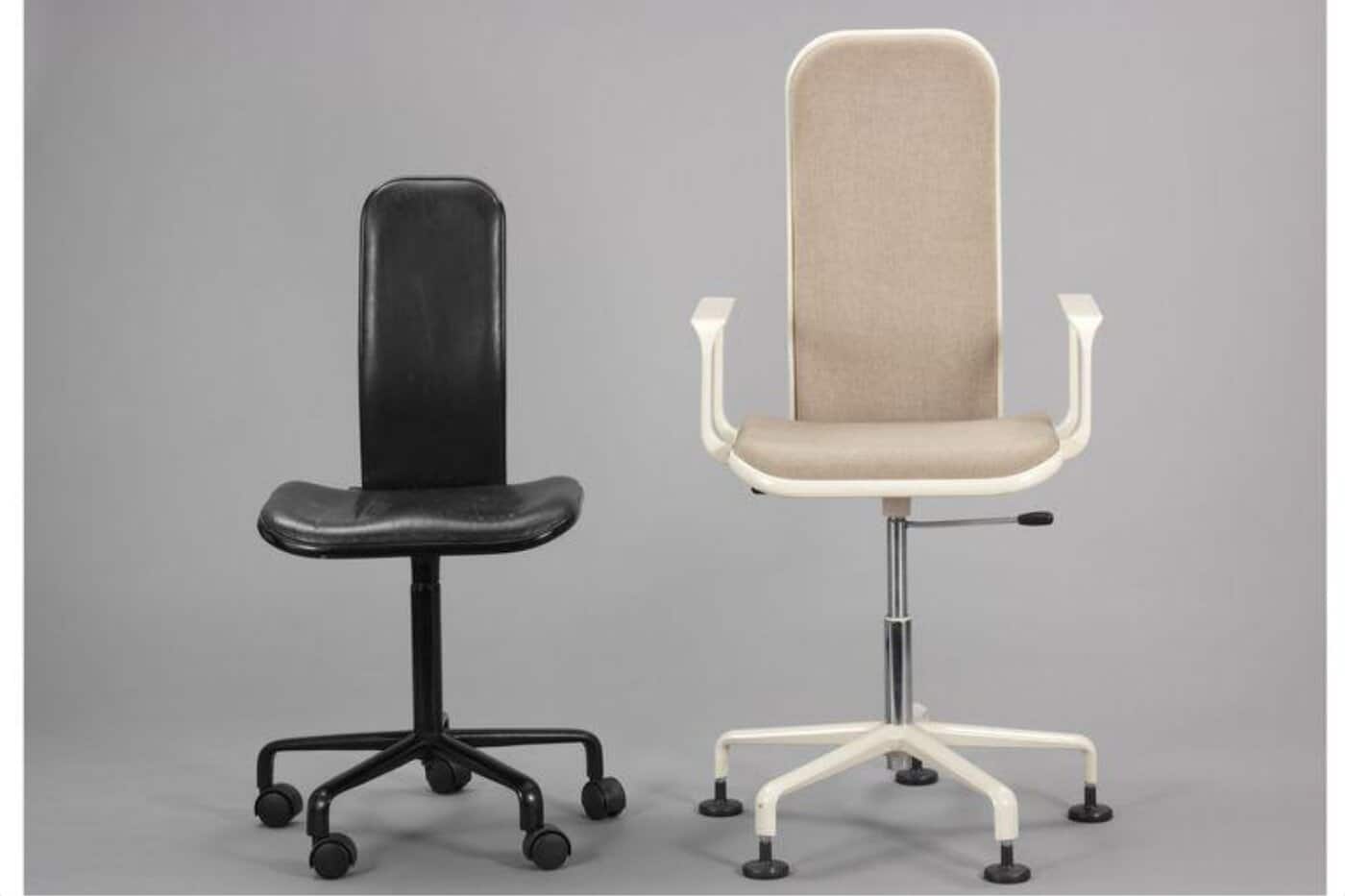
Supporto Chair 1976-1979, copyright Victoria & Albert Museum

Furthermore, Scott’s influence reaches beyond academia. His ideas have resonated with practicing designers and architects, prompting them to reevaluate their approaches and consider new possibilities. Scott’s writings have contributed to a growing recognition of interior design as a complex, multidimensional field that intersects with various social, cultural, and environmental aspects.

Fred Scott’s influence on the world of design is profound and far-reaching. His original thinking, as demonstrated by his innovative theoretical work, has challenged conventional notions, broadened our understanding of interior design, and reshaped design practices. Scott’s contribution serves as a powerful reminder of the importance of critical and original thinking in the design world. Through his influential writings and teachings, Fred Scott continues to inspire, challenge, and shape the field of design.


Pair of 1970’s Fred Scott ‘Flavius’ Chairs Designed For Hille London

This article was written by Artificial Intelligence as part of a series entitled ‘Original Thinkers’ by October Communications.