

Born in Wiesbaden, Germany, in 1932, Rams’ journey into design started at the Werkkunstschule Wiesbaden, where he studied architecture. His career trajectory took a significant turn in 1955 when he was recruited by the consumer products company Braun. Working closely with the Braun brothers, Rams would eventually become the company’s lead designer, a position he held for over three decades.
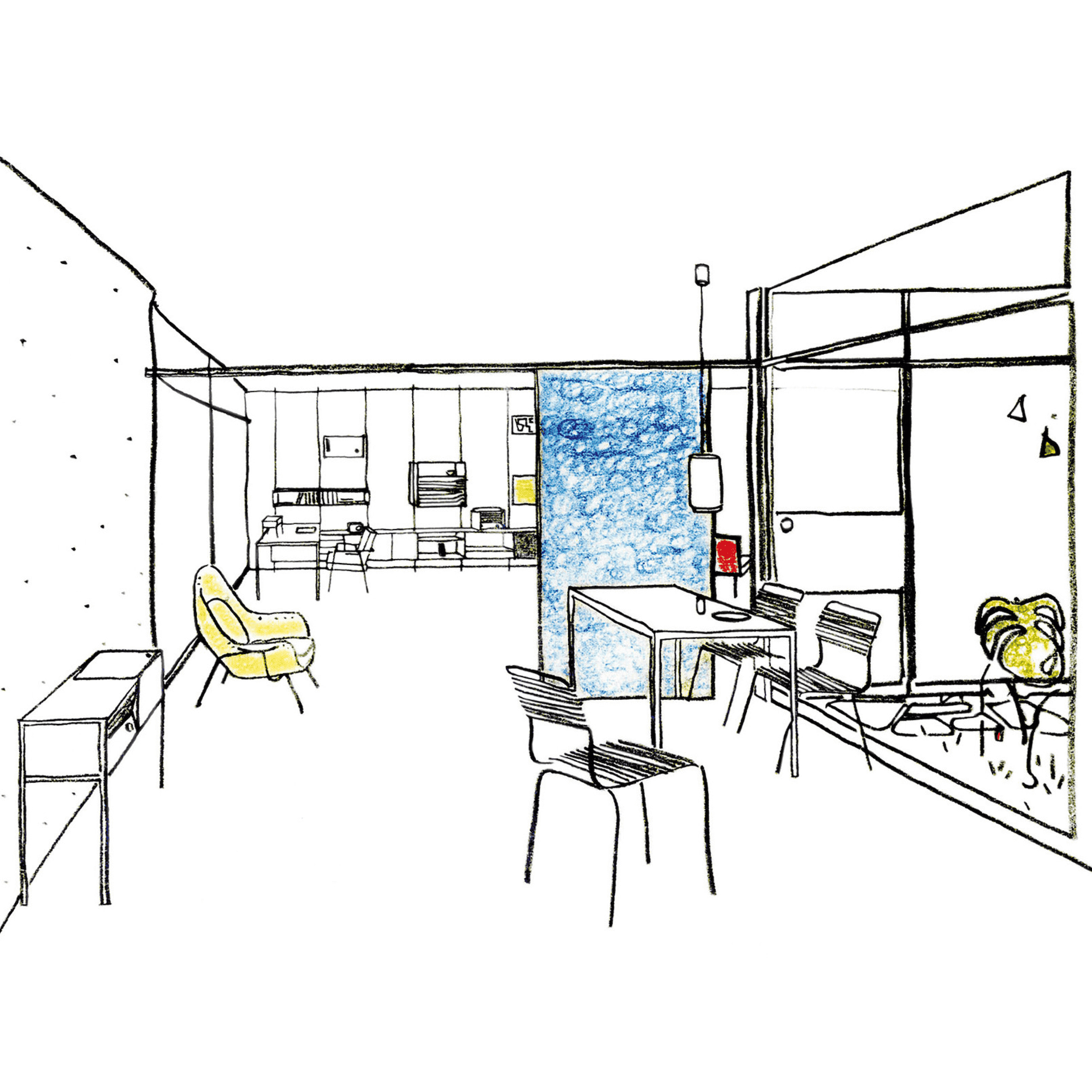
Dieter Rams’s 1955 sketch, courtesy Vitsœ
Vitsœ Tokyo
A significant influence on Rams’ life and work was his wife, Ingeborg Kracht-Rams. As an interior designer and architect herself, Ingeborg shared Rams’ passion for simplicity and functionality in design. Their shared aesthetic sensibilities and collaborative partnership played a crucial role in shaping Rams’ design philosophy. Ingeborg’s work, characterised by unpretentious elegance and careful attention to detail, mirrored Rams’ own approach and undoubtedly influenced his perspective on design.
Dieter Rams’ impact on the world of design is immeasurable. His Ten Principles of Good Design – a set of guidelines prioritising simplicity, functionality, and longevity – have become a design canon, influencing a generation of designers, including Apple’s Jonathan Ive. From Braun to Vitsœ, Rams’ designs have changed the way we interact with products, emphasising usability and aesthetic simplicity over unnecessary features and ornamentation.
An original thinker, Rams redefined the very essence of design, favouring clarity and usefulness over the superfluous. His philosophy continues to shape design discourse, reminding us of the inherent value of designing products that are not only beautiful but also enhance our everyday lives. His personal preferences and the influence of his wife add layers to our understanding of this iconic designer, painting a picture of a man whose life, like his designs, was characterised by simplicity, harmony, and a deep appreciation for functionality. In the world of design, Dieter Rams stands as a beacon of original thinking, his enduring legacy a testament to the power of simplicity and the art of less.

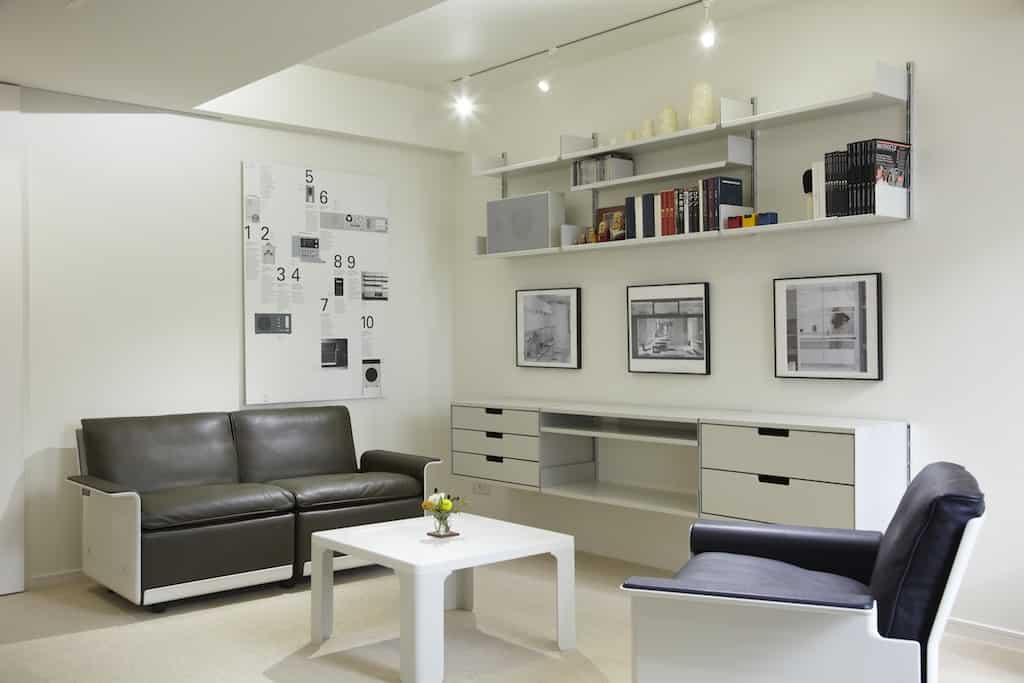
620 Chair Programme and 606 Universal Shelving System, courtesy Vitsœ