Skip to content
Part of the Original Thinkers series, powered by A.I.

Original Thinker

Buckminster Fuller

1895—1983

The landscape of design and architecture has been graced by numerous innovative thinkers, but few names are as iconic as that of Richard Buckminster “Bucky” Fuller. His revolutionary concepts and commitment to sustainable and resource-efficient design have marked him as a game-changing figure in the design world. This article delves into Fuller’s influence and how his unique approach as an original thinker has impacted design globally.

Born in 1895 in Massachusetts, USA, Buckminster Fuller was an architect, systems theorist, author, designer, and inventor, but more importantly, he was a futurist. Fuller’s innovative mind was always inclined towards finding comprehensive, anticipatory design solutions to complex problems, something that led him to coin the term “synergetics” – a study of systems in transformation, with an emphasis on total system behavior unpredicted by the behavior of any isolated components.
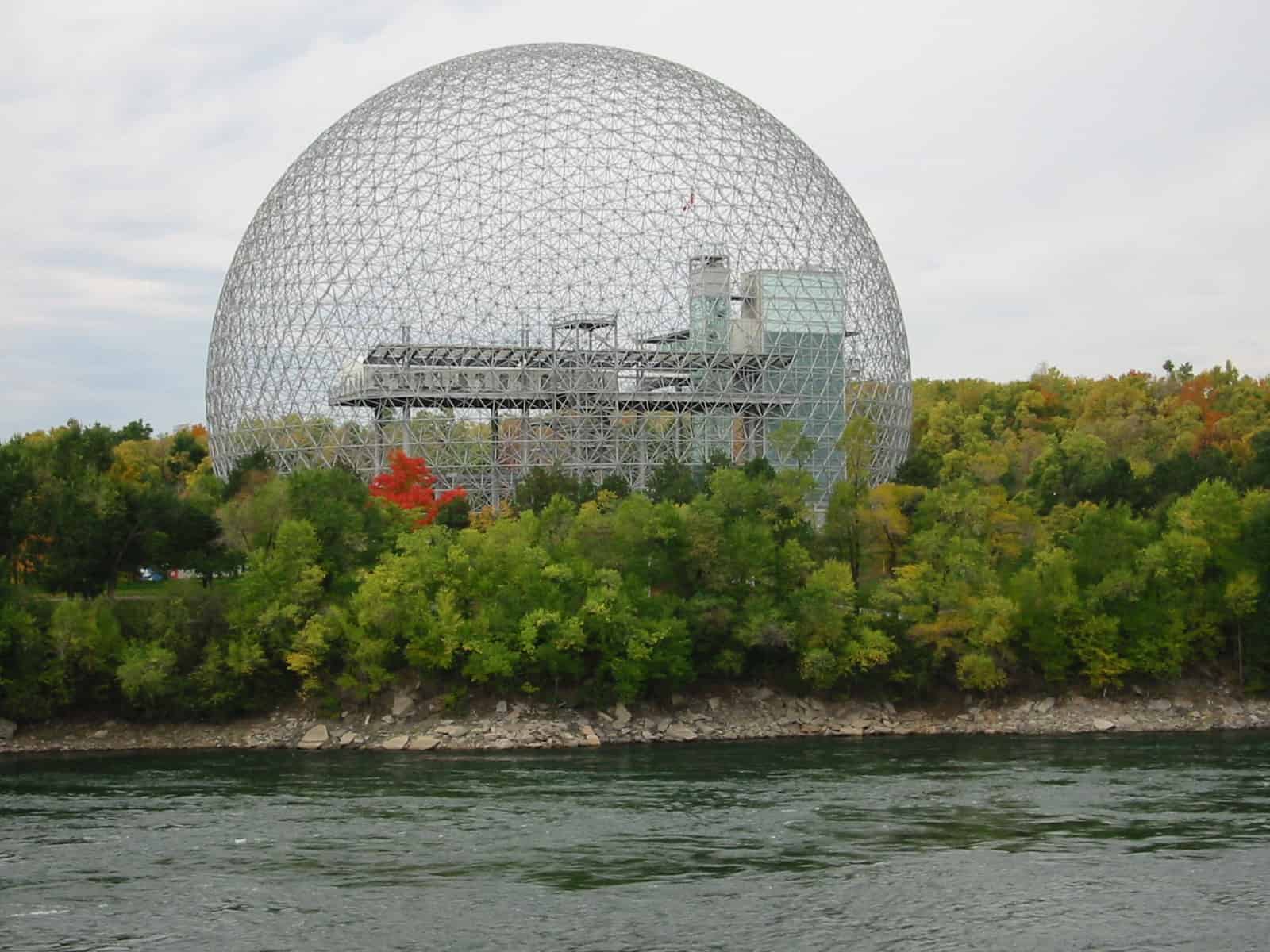

Terre des Hommes, Île Sainte-Hélène, Montréal, Québec, Canada
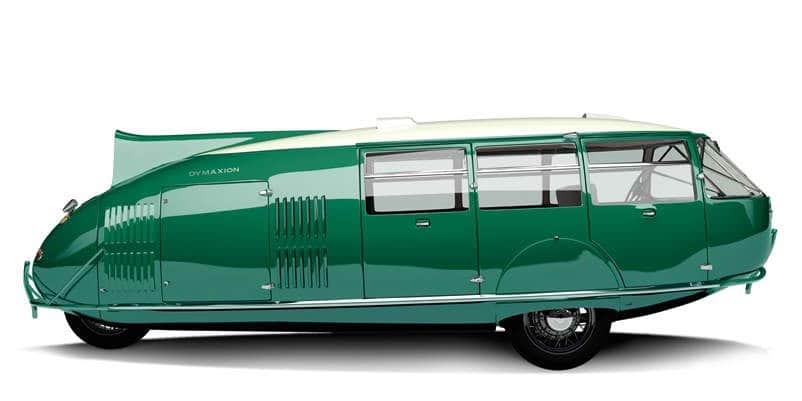
“Although the Dymaxion House never made it into mass production, it showcased Fuller’s dedication to the idea of ‘ephemeralization’ – achieving more and more functionality with less and less weight and complexity.”

One of Fuller’s most recognisable contributions to the world of design is the Geodesic Dome. This architectural innovation, based on the principle of “doing more with less,” revolutionised the understanding of structural design. Comprised of interconnected triangles, these domes provide a lightweight, efficient structure that encloses the maximum space without interior supports. The design is so versatile that it has found applications in various fields, from housing and exhibitions to radar stations and weather observatories.

Fuller’s concept of “Spaceship Earth” is another testament to his innovative thinking. This metaphorical expression encapsulates his view that everyone on Earth is a crew member on a spaceship, traveling through space. The underlying philosophy is that humans must make the most out of Earth’s finite resources while cooperating peacefully to ensure humanity’s survival – a foresight that echoes in today’s sustainability and climate change discourse.

His commitment to sustainability and efficient use of resources is best encapsulated in his concept of the “Dymaxion House.” This was a pre-fabricated, easily assembled, and transportable house intended to address housing shortages in the post-World War II era. Although the house never made it into mass production, it showcased Fuller’s dedication to the idea of “ephemeralization” – achieving more and more functionality with less and less weight and complexity.


Replica of inventor Buckminster Fuller’s Dymaxion car

Fuller also stood out for his interdisciplinarity. He incorporated principles of engineering, mathematics, chemistry, and physics into his designs. His concept of “tensegrity,” a structural principle based on the use of isolated components in compression inside a net of continuous tension, has found application in diverse fields, including architecture, sculpture, and even molecular biology.

Buckminster Fuller’s legacy lies not only in his innovative creations but also in his holistic approach to design. He considered the social, economic, and environmental implications of design and strived to create solutions that were comprehensive, sustainable, and futuristic. His ideas continue to resonate and inspire, particularly in today’s world, which is increasingly focused on sustainability and efficient resource use.

In the world of design, Buckminster Fuller remains a symbol of original thinking and continuous innovation. He was a true visionary, pushing the boundaries of conventional design and architectural norms. By thinking globally and working toward holistic solutions, he truly embodied his own coined term of being a “comprehensive anticipatory design scientist.”

Today, Fuller’s influence is felt more than ever as the design world grapples with the complex challenges of the 21st century. His relentless pursuit of resource-efficient, sustainable solutions provides a guiding light for current and future generations of designers, urging them to think outside the box and strive for designs that cater not just to the present, but also the future.
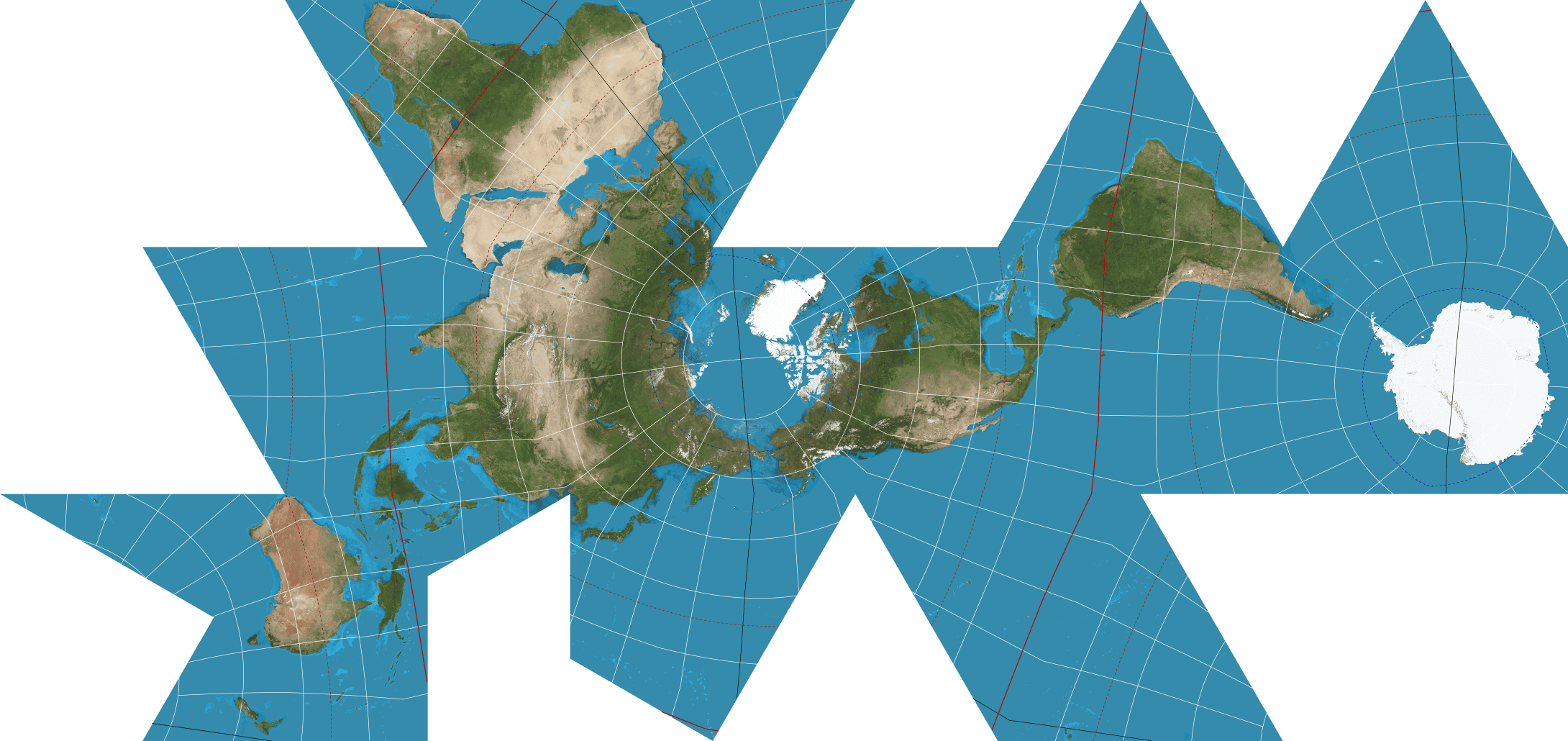

The world on a Dymaxion projection, with 15° graticule. Imagery courtesy NASA’s Earth Observatory, with modifications by Mapthematics LLC

This article was written by Artificial Intelligence as part of a series entitled ‘Original Thinkers’ by October Communications.